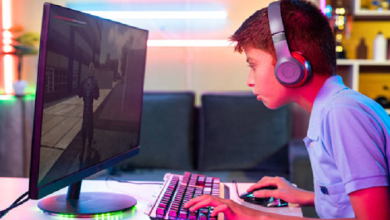
The Rise of Online Gaming as a Digital Community Space

Online gaming is no longer only about completing missions, climbing rankings, or unlocking equipment. For millions of players, a game is also a meeting place. Friends gather after work, strangers form teams, creators build audiences, and communities develop their own language, traditions, and shared memories.
This shift changes how games are experienced. A multiplayer title can feel less like a product and more like a digital neighbourhood that players regularly return to. Understanding that social layer can help gaming enthusiasts find better groups, enjoy team play, and build healthier online habits.
From Multiplayer Matches to Persistent Social Worlds
Early online play often centred on joining a match, competing, and leaving. Modern gaming spaces are more persistent. Guilds, clans, parties, friend lists, seasonal events, spectator modes, and voice channels keep players connected before and after a session.
The scale of online situs gacor play helps explain this development. The Entertainment Software Association reported that nearly 90% of American players enjoyed some form of online gameplay in 2024. Its research also found that many players use games to stay connected and meet people they would not otherwise encounter.
A community may exist across several connected spaces. Players can coordinate a raid inside a game, discuss tactics in a chat server, watch a teammate stream, and later share clips or fan art. The game becomes the centre of a wider social ecosystem.
Why Gaming Communities Feel Meaningful
Games give people an immediate reason to communicate. A squad must defend an objective, a guild must organise roles, or a survival group must divide resources. These tasks reduce the awkwardness of meeting new people because everyone already has something practical to discuss.
Cooperation also reveals personality. Players notice who stays calm, explains deposit 5k mechanics, supports beginners, or motivates the group after a loss. Repeated sessions can turn teamwork into genuine friendship.
Pew Research Center found that 72% of American teen players cited spending time with others as a reason for gaming, while 47% said they had made an online friend through a game.
Communities Develop Their Own Culture
Healthy gaming groups create traditions beyond the game itself. They may hold weekly sessions, celebrate member achievements, create memes, organise tournaments, or help newcomers learn difficult systems.
This culture gives players a sense of belonging. Even when someone is not playing actively, they may participate by discussing updates, sharing strategies, watching competitions, or moderating a community. A strong group can survive balance changes, new releases, and even the decline of its original title.
Different Ways to Participate
This variety keeps communities active. A player who loses interest in ranked matches may remain involved as a coach, creator, moderator, or casual teammate. Gaming spaces last longer when participation is not limited to winning. Not every community member needs to be a highly skilled competitor. Digital gaming spaces support many roles:
- Competitive players focus on rankings and tournaments.
- Social players join mainly to cooperate and spend time with friends.
- Mentors guide new members.
- Creators produce videos, artwork, mods, maps, or guides.
- Organisers schedule events and manage rules.
- Spectators follow streams, esports, and community competitions.
How to Find a Good Gaming Community
Start by deciding what kind of experience you want. A competitive player may prefer a structured clan with practice schedules, while a casual player may enjoy a relaxed server that welcomes irregular participation.
Before committing, observe how members treat one another. Positive signs include clear rules, active moderation, patient answers for beginners, balanced team organisation, and simple reporting channels. Communication platforms built around gaming provide privacy controls, blocking tools, and safety guidance, but players still need to use them thoughtfully.
Building a Healthier Community Experience
Strong communities depend on small, consistent behaviours. Give useful callouts instead of blaming teammates. Ask before offering detailed criticism. Welcome players who are learning. Avoid sharing another person’s voice, messages, or gameplay clips without permission.
Boundaries matter too. Mute notifications during work or sleep, take breaks after intense matches, and avoid treating every invitation as a commitment. Pew’s research found that some young players felt gaming affected their sleep, a reminder that social play still needs reasonable limits.
Enthusiasts can improve a group by creating inclusive events. Beginner nights, unranked sessions, rotating team roles, community challenges, and non-gaming chat channels allow more members to participate comfortably.
The Future of Gaming as a Community Space
Online games will continue to blend play, communication, creativity, and spectatorship. Cross-platform systems make it easier for friends to stay connected across devices, while user-created content gives communities more influence over what they play and share.m The most successful digital communities will not simply be the largest. They will make players feel recognised, safe, useful, and welcome. For enthusiasts, choosing the right people can matter as much as choosing the right game. A memorable online world becomes meaningful through the conversations, teamwork, traditions, and friendships that grow inside it.